← Return to Main OS

Knuckle-House

A stylized myth-tech boxing roguelike blending Greek mythology, "Punch-Out!!" style cinematic fights, and RPS (rock paper scissors) mechanics. Currently in the prototype phase, built in Unity 6.3 for PC.

The World & Loop

Project Highlights

Designed to satisfy the high market demand for technical, physics-based melee combat (similar to titles like Sifu).

  • The Roguelike Loop: Players navigate procedural node maps, challenge bosses on each floor, manage persistent health, and unlock meta-progression upgrades.
  • Myth-Tech Setting: The visual identity blends ancient pantheon aesthetics with futuristic sci-fi and heavy cybernetic enhancements.
  • The Narrative: Set in a dystopian future where the Gods of Olympus compete for the throne every year in a "fair" Rock-Paper-Scissors tournament. Representatives fight to make their God the most popular, securing the throne for the next 5 years.
🎮 Play the Prototype
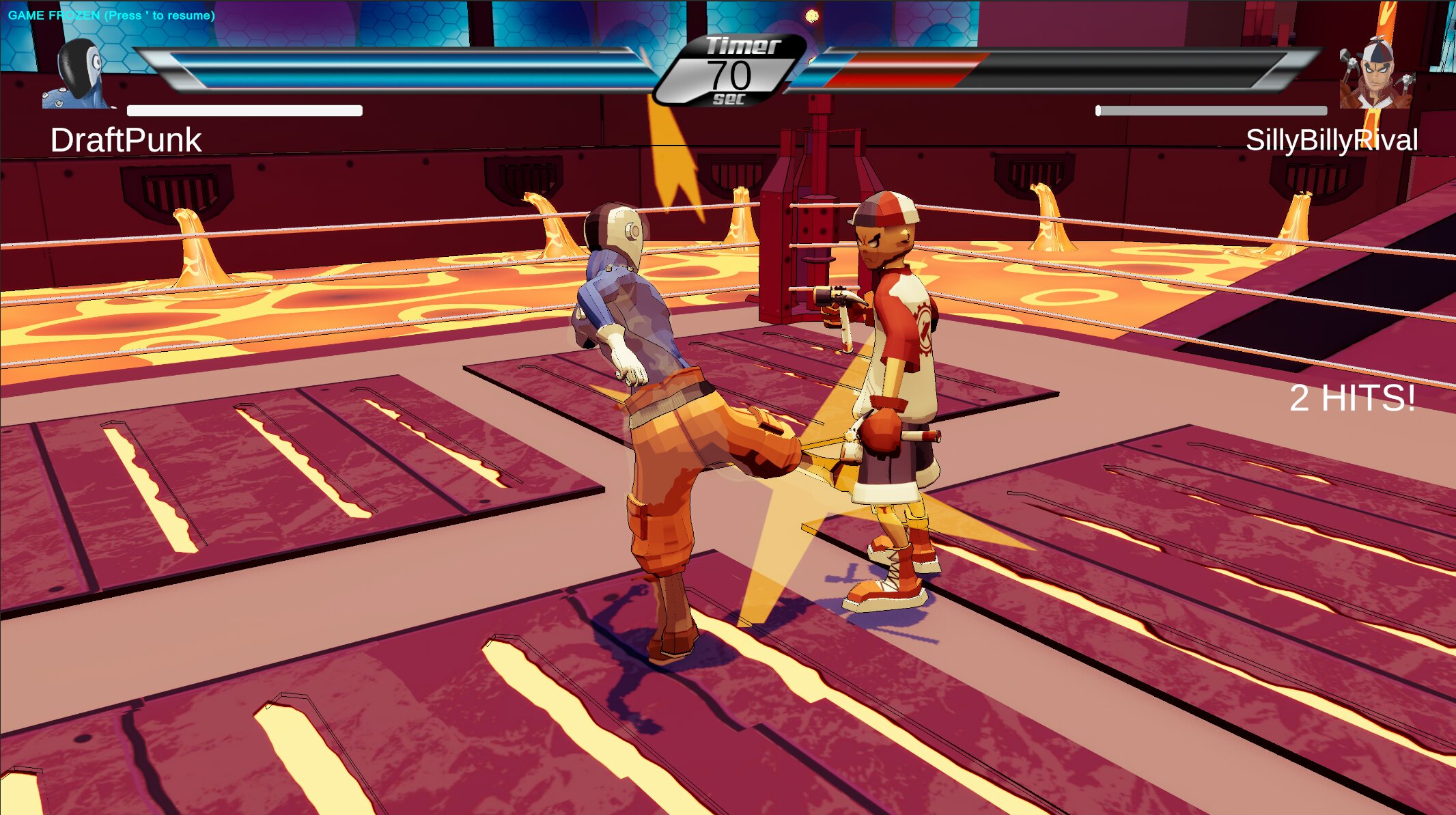
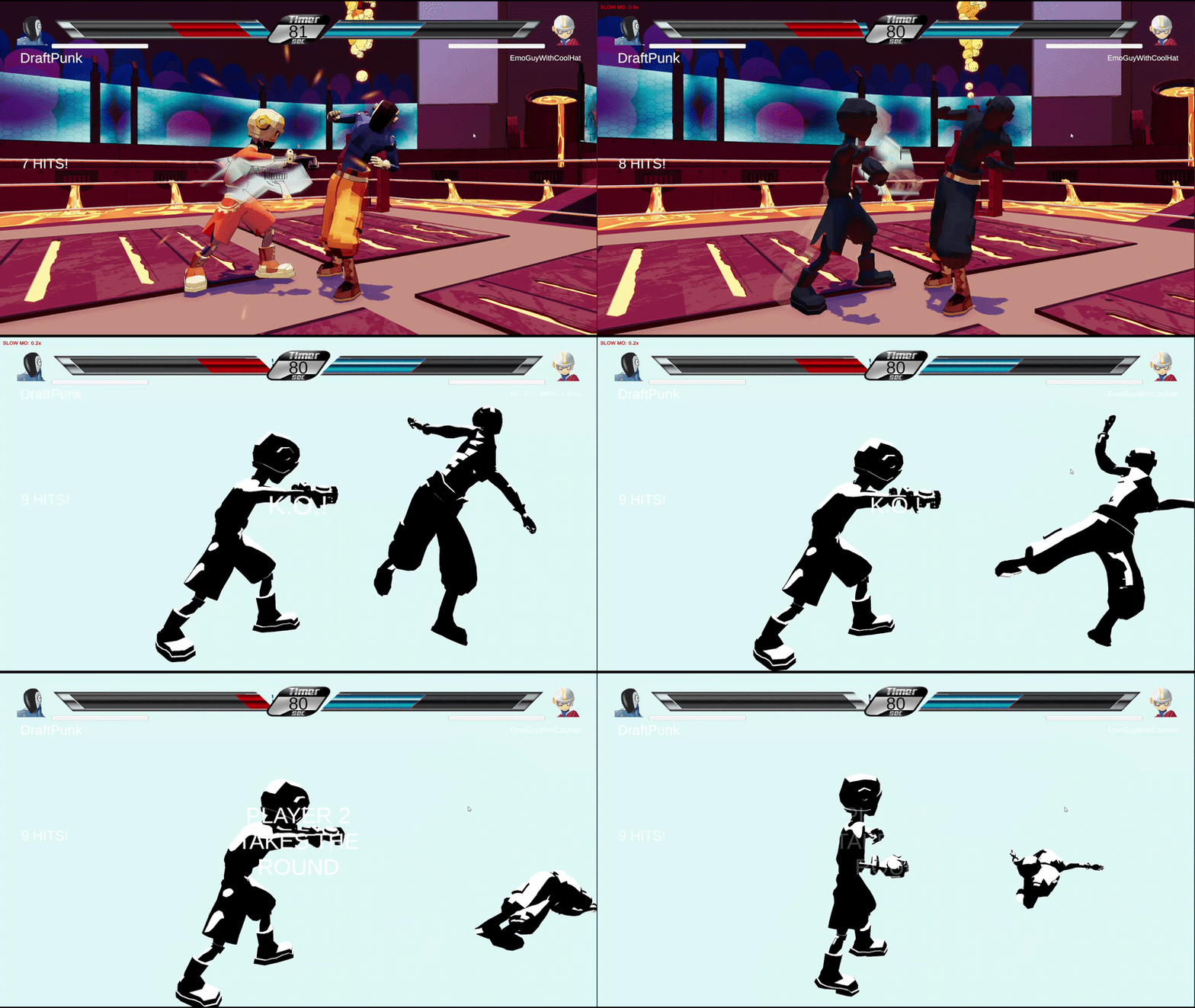
Knuckle-House Gameplay Action

Pipeline & Collaboration

As a Technical Artist, my core responsibility on Knuckle-House is bridging the gap between art and engineering to remove friction from the development process.

  • Cross-Discipline Teamwork: I collaborate directly with 3D animators, riggers, 2D artists, sound designers, and game designers to ensure a seamless integration of all assets into the engine.
  • Blender to Unity Workflow: I manage and optimize our primary art pipeline, establishing strict export/import standards between Blender and Unity to prevent scaling, rotation, or normal data issues.
  • Rigging & 3D Fundamentals: Beyond shader and tool development, my strong foundation in rigging, skin weight painting, and 3D modeling allows me to troubleshoot skeletal issues and hierarchy breaks before they ever hit the engine, ensuring animations translate perfectly into the combat state machine.

Combat & AI Systems

Frame-Precise Brawling

The moment-to-moment combat is built on traditional 3D fighting game fundamentals.

  • RPS to 3D Brawling: Encounters initiate with a strategic Rock-Paper-Scissors entry phase that dictates the opening momentum before seamlessly transitioning into real-time combat.
  • Group AI Director: To handle the chaos of group fights, a central AI director coordinates 1 vs Many encounters, ensuring one enemy attacks while others dynamically flank and stall.
  • Mechanical Depth: The gameplay emphasizes strict frame data, precise parry windows, orbital spacing, and heavy hit-stop with slow-mo KO pings.
Knuckle-House Gameplay

The Combat Deck

Custom Node-Based Pipeline

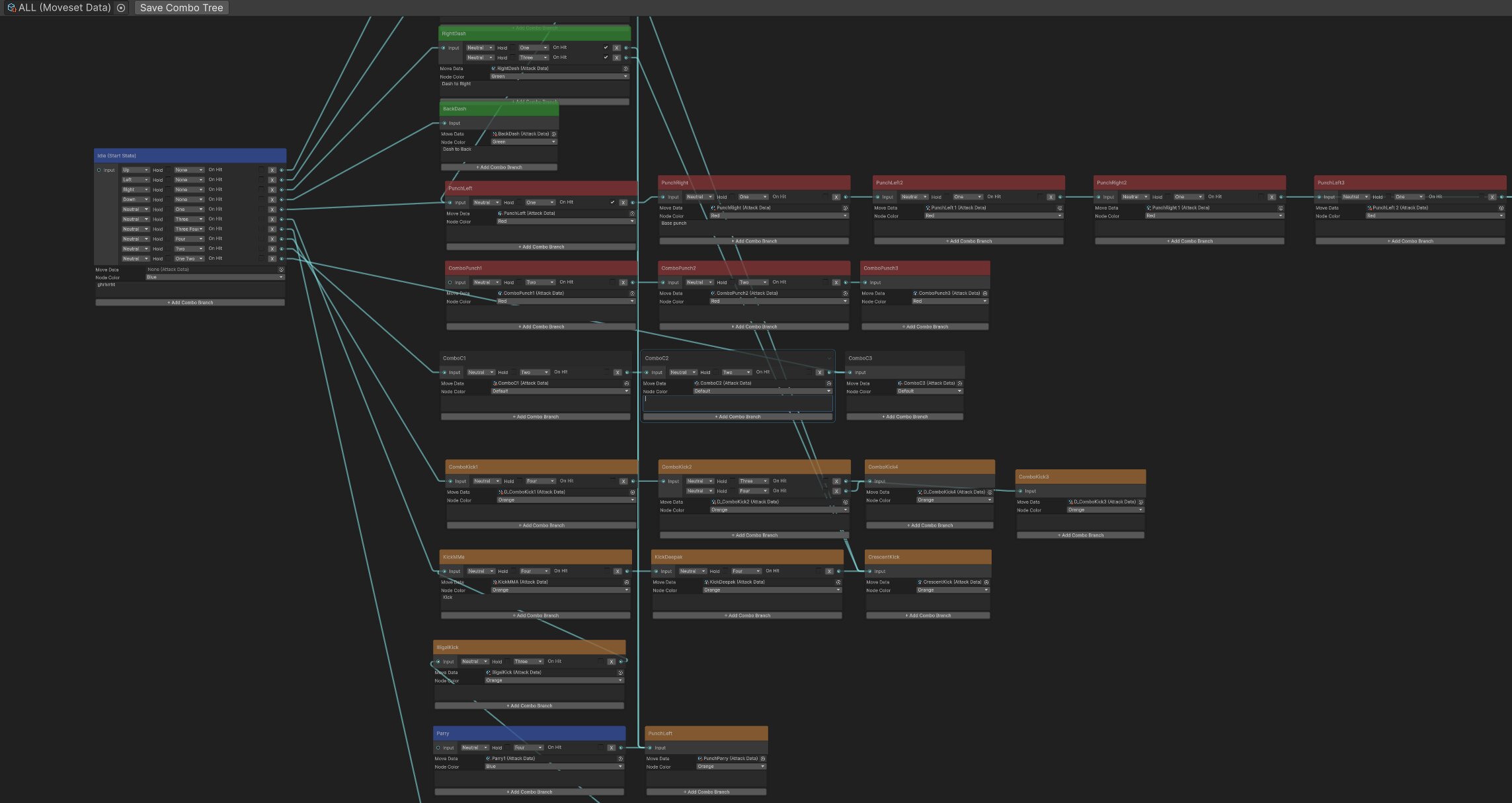
To allow for deep customization, I built a modular pipeline tool allowing players to mix and match martial arts techniques to create highly personalized, stance-based fighting styles tailored to their preferred rhythm.

  • Stealing Abilities: Players build their custom kit with passive and active abilities by stealing one of their enemies' many abilities after beating them in a fight.
  • Visual Pipeline: The node-based editor translates visual node connections directly into the game's underlying Finite State Machine, ensuring robust scalability.
Node-based Combo Graph Pipeline

Tech Art: Sobel Rendering

Comic-Book Edge Detection

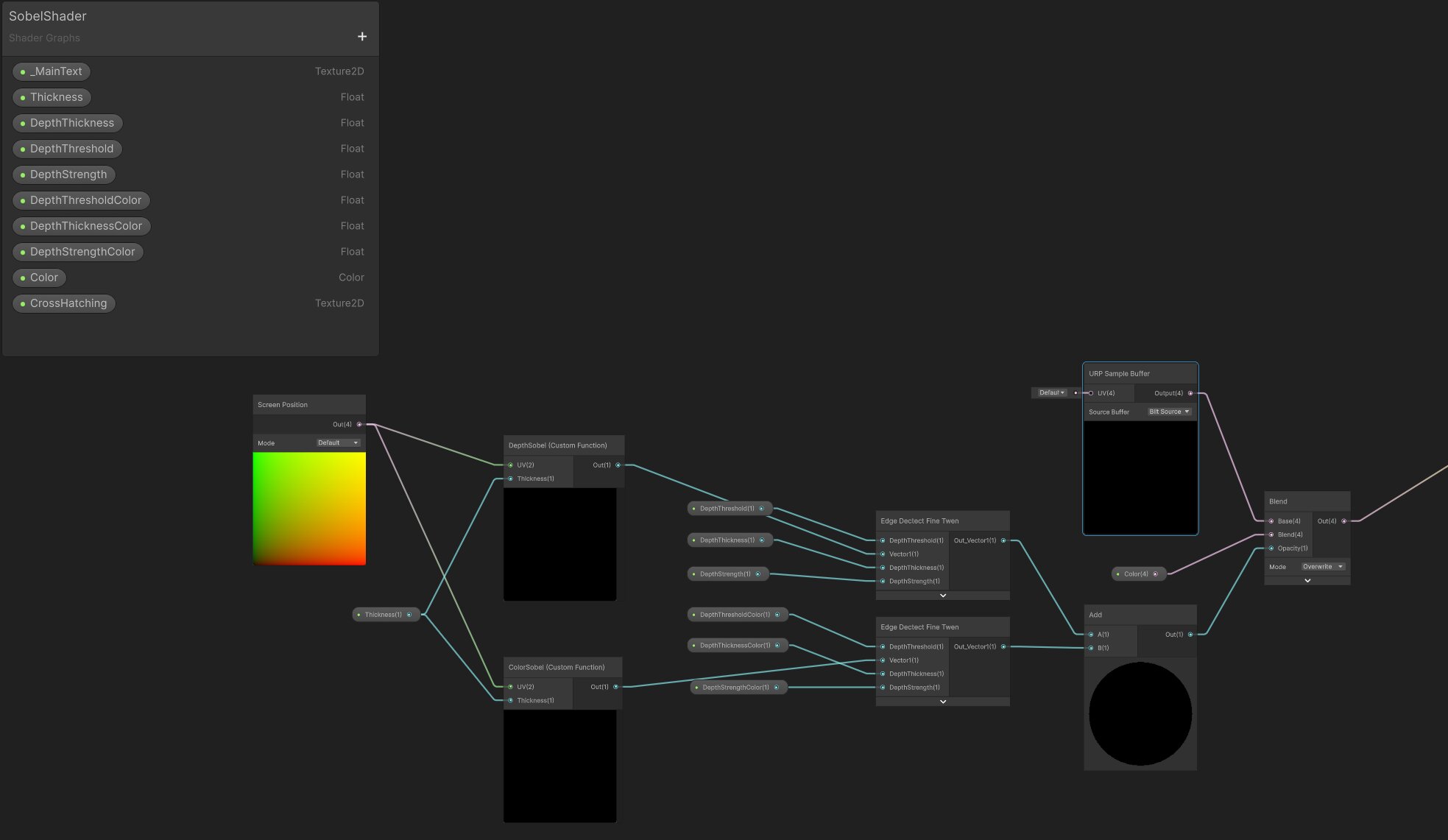
The visual identity utilizes simple, low-poly graphics enhanced by a custom Sobel shader to create thick, comic-book-style outlines.

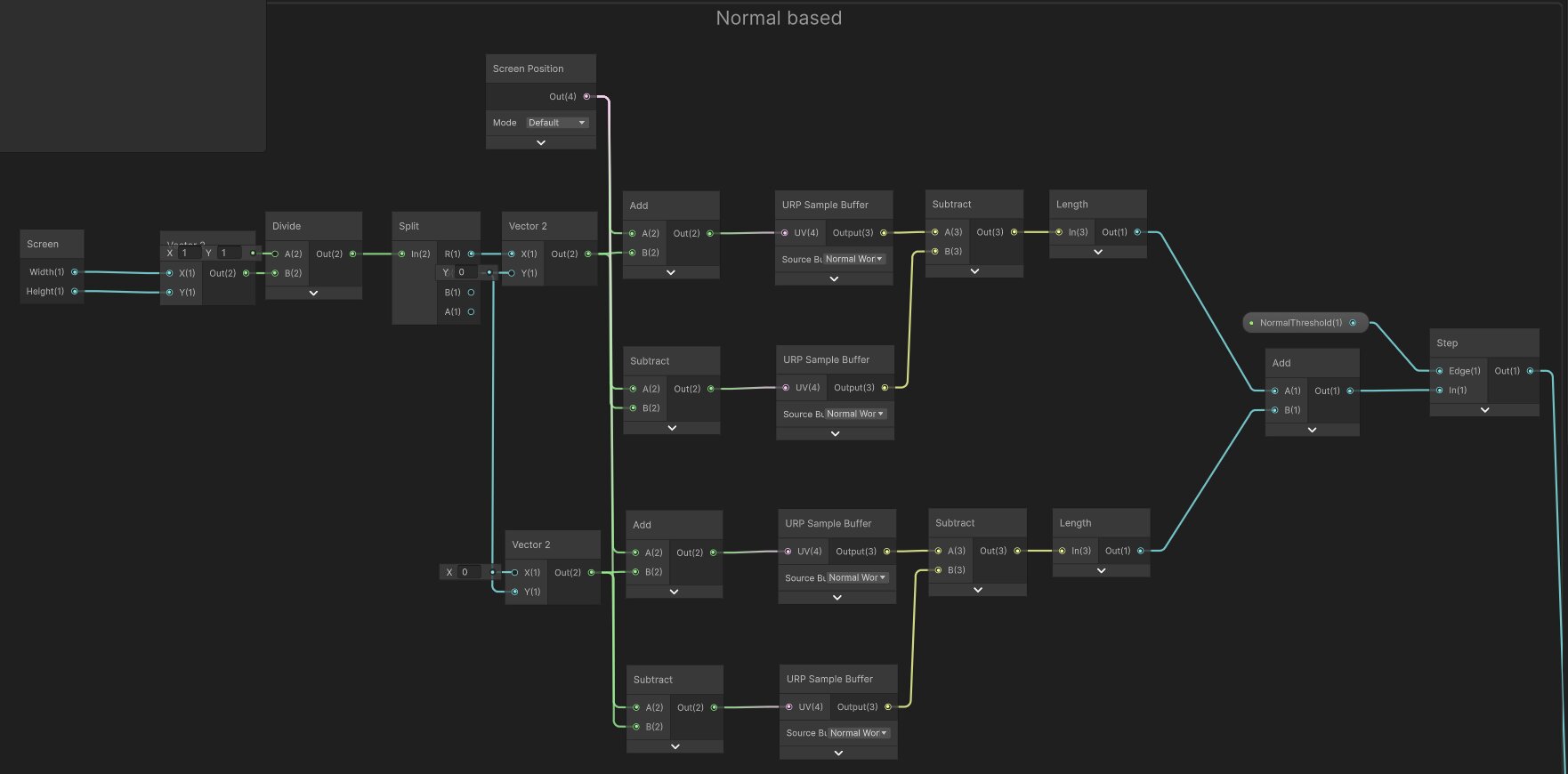
  • Cel-Shaded Aesthetics: Analyzes scene depth and normal data to draw stylized outlines around characters and environmental hazards, creating a vibrant, cel-shaded look.
  • Visual Readability: This approach drastically maximizes visual readability during chaotic, fast-paced combat, pairing perfectly with stylized 2D hit-sparks and dynamic camera snaps.
Sobel Outline Shader Graph Part 1 Sobel Outline Shader Graph Part 2